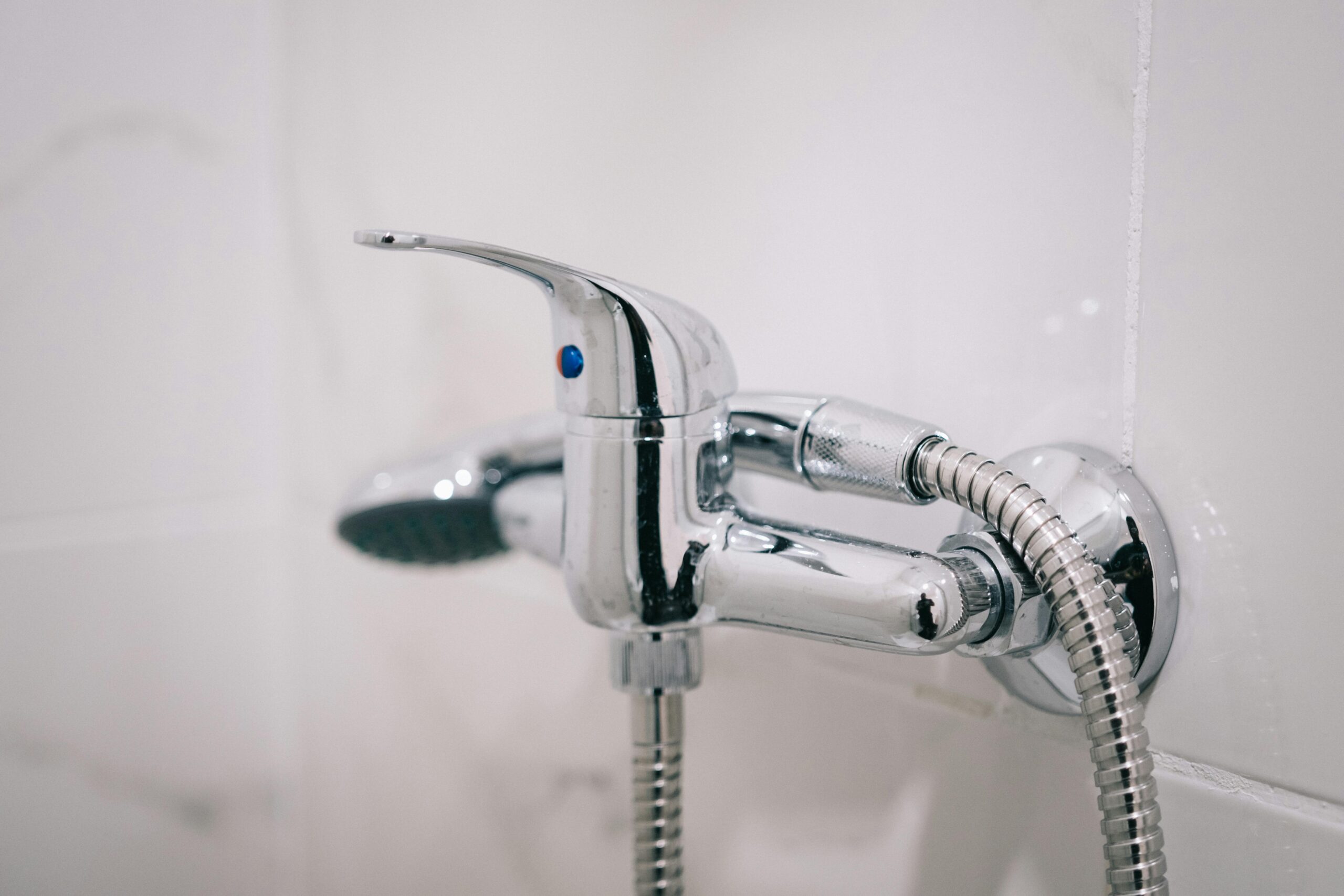
Maintaining your plumbing fixtures is essential for ensuring the longevity and efficiency of your home’s water systems. One popular, natural method for cleaning and unblocking pipes is the use of salt. Salt is not only an inexpensive solution but also an environmentally friendly alternative to harsh chemical cleaners. However, while salt can be beneficial when used correctly, it is important to understand the safety precautions necessary to avoid damaging your plumbing system.
Here are several important tips to consider when using salt for plumbing cleaning:
1. Choose the Right Type of Salt
Not all salts are created equal when it comes to plumbing maintenance. Common table salt is generally fine for small applications, but for more intensive cleaning, you might consider coarse rock salt or even salt pellets designed for water softening systems. These forms dissolve slower, often offering more prolonged cleaning effects.
2. Avoid Excessive Use
While salt is helpful in breaking down some types of buildup, using too much salt can lead to corrosion or clogging in your pipes, especially if your plumbing is made from certain metals like aluminum or galvanized steel. It’s best to follow recommended amounts—usually a few tablespoons at a time.
3. Combine Salt with Other Natural Cleaners
Often, salt is paired with other natural ingredients like baking soda and vinegar to boost its cleaning power. For example, pouring half a cup of salt followed by baking soda can create an abrasive mixture that helps dislodge debris inside the pipes. Then, flushing the system with warm water and vinegar can dissolve the buildup and flush it away safely.
4. Flush Thoroughly With Water
After treatment, it’s essential to flush your plumbing thoroughly with warm or hot water to ensure all salt and loosened debris are properly washed away. Failure to do this might leave residue in the pipes, potentially leading to blockages or corrosion over time.
5. Be Mindful of Plumbing Materials
Salt can react differently depending on your pipe materials. For example, salt is generally safe for PVC and copper pipes but should be used cautiously with cast iron or older pipes prone to rust. If you’re unsure of your plumbing materials, consult with a professional before attempting salt-based treatments.
6. Use Protective Gear
Although salt is less hazardous than chemical alternatives, when handling large quantities, it’s wise to wear gloves to prevent skin dryness or irritation. Additionally, avoid inhaling salt dust during the cleaning process.
7. Regular Maintenance
Incorporate salt-based cleaning as part of your regular maintenance schedule rather than waiting for severe blockages. Routine treatment helps prevent buildup and extends the life of your plumbing fixtures.
In conclusion, salt is a practical and eco-friendly solution for keeping your plumbing clean, but like any maintenance method, it requires proper application and caution. By following these safety tips, you can effectively maintain your plumbing without undesirable damage.



Great tips! I had no idea combining salt with baking soda could help clear my drains so effectively.
Thanks for the reminder to check what kind of pipes I have before trying home remedies. I’ll definitely be more careful now!
As a plumber, I recommend caution with salt on older metal pipes, but overall it’s a good natural alternative for minor maintenance.
Love that salt is an eco-friendly option! I’ve been avoiding harsh chemicals for years.
This article made me try the salt and vinegar method—worked wonders on my sink clog.