
Hard water often leaves behind stubborn mineral deposits and limescale on faucets, which not only look unsightly but can also reduce their lifespan and affect performance. While there are many commercial descaling products on the market, did you know that simple kitchen salt can be an effective, natural, and affordable way to clean and descale your faucets?
In this guide, we’ll walk you through easy steps to descale faucets using salt, a method that’s environmentally friendly, non-toxic, and accessible for anyone.
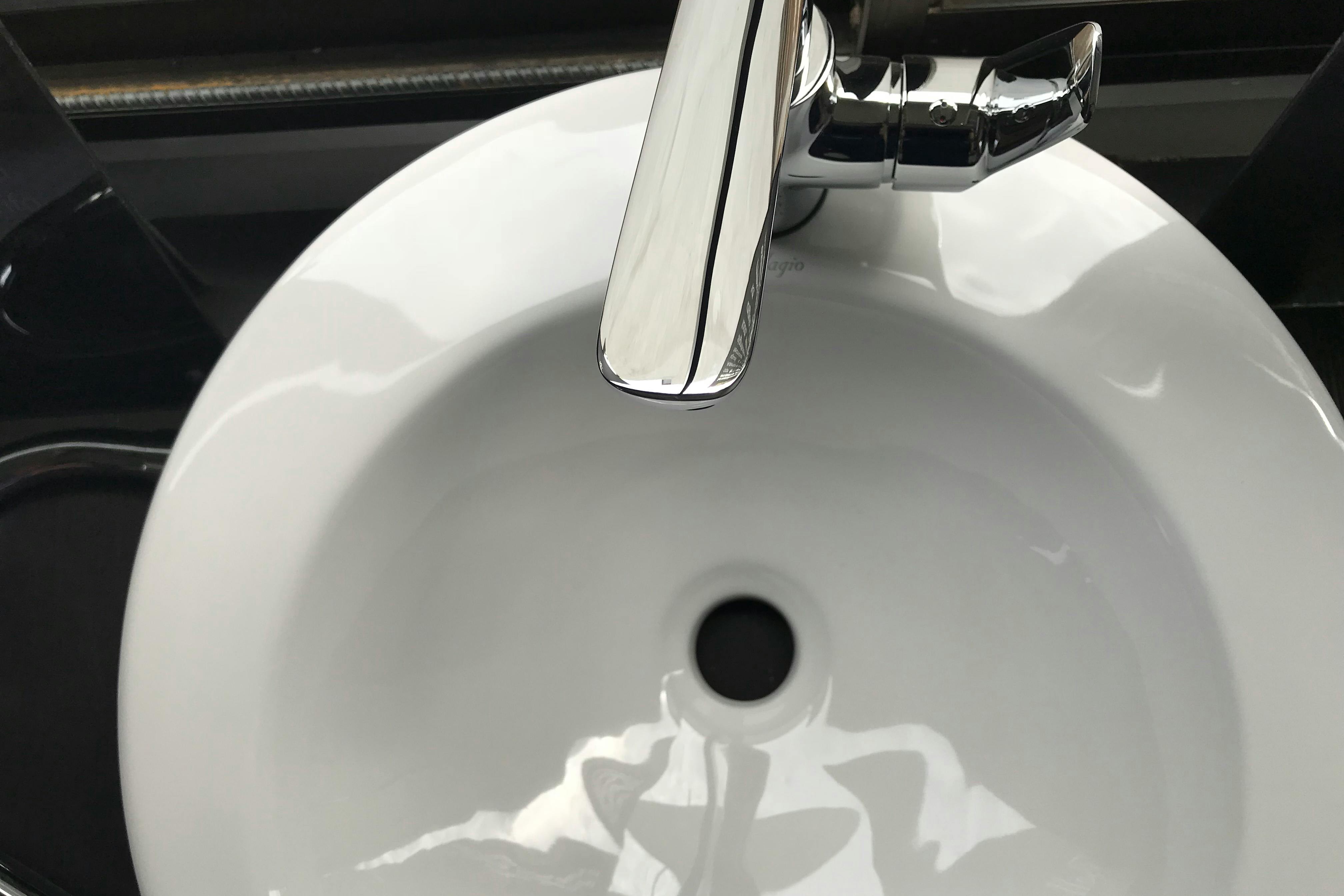
Why Use Salt to Descale Faucets?
Salt, especially when combined with vinegar or lemon juice, acts as a gentle abrasive and natural cleanser that helps break down mineral buildup. It’s widely available, safe to handle, and an excellent alternative to harsh chemical cleaners.
Materials Needed
- Table salt or kosher salt
- White vinegar or lemon juice
- A small bowl
- An old toothbrush or soft scrub brush
- A soft cloth or sponge
- Rubber gloves (optional)
Step-by-Step Descaling Process
- Prepare the Cleaning Mixture: In a small bowl, combine about 2 tablespoons of salt with enough vinegar or lemon juice to make a thick paste. The acid in the vinegar or lemon juice helps dissolve mineral buildup, while salt provides gentle scrubbing power.
- Apply the Salt Paste: Use your fingers or a soft brush to apply the paste liberally to the faucet areas affected by limescale. Be sure to cover the spout, handles, aerators, and any other parts where deposits are visible.
- Let It Sit: Allow the paste to rest on the faucet for at least 30 minutes. This soaking period gives the acid time to break down the mineral deposits.
- Scrub Gently: Using an old toothbrush or soft brush, scrub the areas with the paste in gentle circular motions. This will help lift the softened limescale deposits without scratching the faucet surface.
- Rinse Thoroughly: Rinse the faucet under warm running water to wash away the paste and loosened deposits. Use a soft cloth to wipe it clean and dry off any moisture.
- Repeat if Necessary: For heavy or stubborn buildup, you may need to repeat the process a couple of times to fully descale the faucet.
Additional Tips for Faucet Maintenance
- Regular cleaning can prevent thick limescale buildup. Using this salt and vinegar technique monthly will keep faucets shiny and functioning well.
- If the faucet has an aerator, remove it and soak it separately in the salt-vinegar solution to descale internal components.
- Avoid using abrasive pads or metal brushes, which can scratch and damage the faucet’s finish.
- Wear gloves if you have sensitive skin, as vinegar can be slightly irritating.
With just a simple kitchen ingredient like salt, you can easily keep your faucets free from unsightly limescale and maintain their optimal performance without resorting to harsh chemicals. This natural descaling trick is not only budget-friendly but also safe for your household and the environment.



I never thought salt could be so effective for cleaning faucets! Tried this method and my kitchen faucet looks brand new now. Thanks for sharing!
Helpful guide! I also like that it uses natural ingredients. I’ll be doing this regularly instead of buying expensive cleaners.
Does this method work on shower heads too? I have heavy limescale buildup there as well.
Sophie, yes! Just remove the shower head and soak it in the salt and vinegar mixture for an hour or so, then scrub gently.
Great step-by-step instructions. I appreciated the tip about removing aerators separately. Made cleaning much easier.